
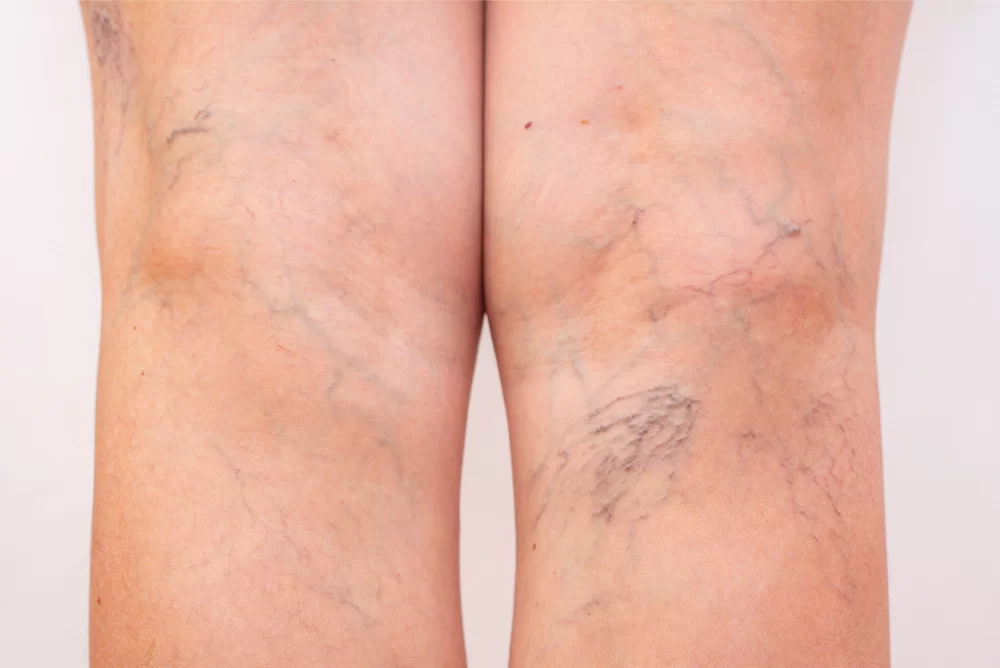
Varicose Veins During Pregnancy in Los Angeles & Walnut
Pregnancy is one of the most common triggers for the development or worsening of varicose veins and spider veins. Hormonal changes, increased blood volume, and the pressure of the growing uterus on the pelvic veins all contribute to elevated venous pressure in the legs — and for many women, the veins that appear during pregnancy do not fully resolve after delivery. At Vein Care Medical Center in Los Angeles & Walnut, Dr. Michael D. Landau evaluates and treats pregnancy-related vein concerns both during the postpartum period and for women planning future pregnancies. Call (323) 934-9191 to schedule your consultation.
Request an AppointmentWhy Does Pregnancy Cause Varicose Veins?
Several pregnancy-related changes conspire to produce or worsen venous disease:
- Hormonal effects — progesterone, which rises dramatically during pregnancy, relaxes smooth muscle in vein walls, reducing their ability to maintain tone and resist dilation
- Increased blood volume — blood volume increases by approximately 40–50% during pregnancy, placing greater demand on the venous return system
- Uterine compression — the growing uterus presses on the inferior vena cava and iliac veins, restricting venous outflow from the legs and increasing pressure in the lower extremity veins
- Weight gain — additional body weight increases the load on leg veins
Women who are genetically predisposed to venous disease are particularly likely to develop varicose veins during pregnancy, and the risk increases with each subsequent pregnancy.
Types of Vein Problems That Develop During Pregnancy
- Varicose veins — most commonly in the legs, but also in the vulvar and perineal area
- Spider veins — clusters of small surface vessels on the legs, ankles, and thighs
- Leg swelling — worsened by venous pressure and fluid retention
- Leg heaviness, aching, and cramping — common venous symptoms amplified during pregnancy
Can Varicose Veins Be Treated During Pregnancy?
Most minimally invasive vein treatments — including EVLA, RFA, sclerotherapy, and VenaSeal™ — are not performed during active pregnancy. The standard recommendation is to wait until after delivery and allow a minimum of three months postpartum before pursuing treatment, as some veins may partially improve after the pregnancy-related hormonal and pressure changes resolve. Dr. Landau evaluates postpartum patients to determine which veins have persisted and require treatment and which may have resolved on their own.
During pregnancy, the best management strategies include graduated compression stockings, regular walking, leg elevation when resting, and avoiding prolonged standing.
Postpartum Vein Treatment at Vein Care Medical Center
After delivery — and once you have completed breastfeeding if applicable — Dr. Landau can evaluate and treat persistent varicose veins and spider veins using the full range of minimally invasive procedures:
- Endovenous Laser Ablation (EVLA)
- Radiofrequency Ablation (RFA) / VenClose™
- VenaSeal™
- Varithena™
- Sclerotherapy and Direct Vision Sclerotherapy
Call (323) 934-9191 or request an appointment at our Los Angeles or Walnut office to discuss your postpartum vein concerns with Dr. Landau.
Varicose Veins During Pregnancy — Frequently Asked Questions
Will my varicose veins go away after pregnancy?
Some improvement may occur after delivery as hormonal changes reverse and uterine pressure on pelvic veins is relieved. However, veins that are significantly enlarged or that involve damaged valves rarely resolve completely without treatment. Most women with pregnancy-related varicose veins find that a residual network of veins remains postpartum. Dr. Landau recommends waiting three to six months after delivery before evaluating which veins require treatment.
When is it safe to treat varicose veins after having a baby?
Dr. Landau generally recommends waiting at least three months postpartum before pursuing endovenous treatment, to allow the body time to recover and to assess which veins have resolved naturally. If you are breastfeeding, it is typically advisable to complete nursing before undergoing sclerotherapy or other injectable treatments. Dr. Landau will discuss the appropriate timing at your postpartum consultation.
Can I prevent varicose veins from developing during pregnancy?
Complete prevention is not possible for women who are genetically predisposed to venous disease. However, wearing graduated compression stockings throughout pregnancy, staying active with regular walking, avoiding prolonged standing, elevating the legs when resting, and maintaining a healthy weight can all reduce the severity of venous symptoms and may limit how prominent varicose veins become.
Is it safe to treat varicose veins if I plan to have more children?
Yes — treating varicose veins between pregnancies is safe and often advisable. Treating diseased veins before a subsequent pregnancy reduces the baseline venous pressure going into the next pregnancy and can limit how much varicosities worsen. Dr. Landau can advise on the best timing and treatment approach for women planning future pregnancies.
Are spider veins that developed during pregnancy permanent?
Spider veins that develop during pregnancy may partially fade after delivery, but many persist and can be effectively treated with Direct Vision Sclerotherapy or Excel V™ laser after you have completed your postpartum recovery and breastfeeding. These treatments produce excellent results with minimal discomfort and no downtime.
Does insurance cover postpartum varicose vein treatment?
When postpartum varicose veins are symptomatic and venous insufficiency is documented, treatment may be covered by insurance including Medicare. Coverage depends on the severity of symptoms and medical necessity. Vein Care Medical Center will assist with insurance verification before treatment begins.
Can vulvar varicose veins be treated?
Vulvar varicosities that develop during pregnancy usually improve significantly after delivery as the uterine pressure on pelvic outflow resolves. Persistent vulvar varices can be evaluated and treated with targeted sclerotherapy in appropriate candidates. Dr. Landau will assess this at your postpartum consultation if it is a concern.