
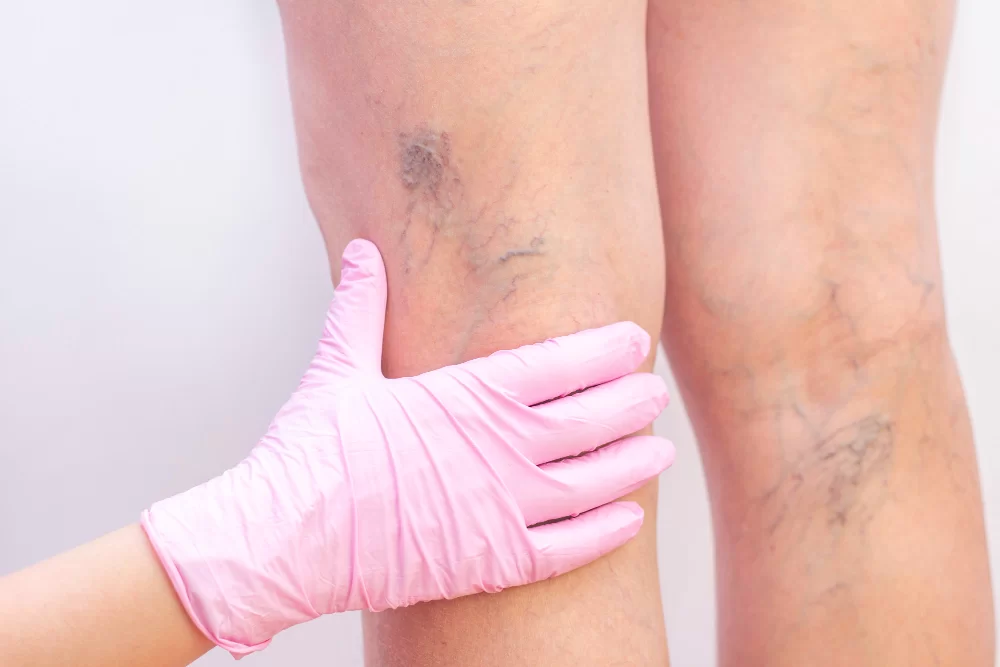
Post-Thrombotic Syndrome in Los Angeles & Walnut
Post-thrombotic syndrome (PTS) is a form of chronic venous insufficiency that develops following deep vein thrombosis (DVT). It is one of the most common long-term complications of DVT, affecting up to 50% of patients within two years of their blood clot — yet it is frequently underrecognized and undertreated. At Vein Care Medical Center in Los Angeles & Walnut, Dr. Michael D. Landau evaluates and treats post-thrombotic syndrome using the same advanced minimally invasive techniques used for primary venous insufficiency. Call (323) 934-9191 to schedule your evaluation.
Request an AppointmentWhat Is Post-Thrombotic Syndrome?
When a deep vein thrombosis forms inside a leg vein, it causes direct damage to the vein wall and the one-way valves inside it. Even after the clot is treated and resolved — whether through anticoagulation or thrombolysis — the valves may be left permanently scarred and incompetent. The result is venous reflux and obstruction in the previously thrombosed vein, producing the same elevated venous pressure that characterizes primary venous insufficiency — but often more severe and more difficult to treat.
Post-thrombotic syndrome is classified as mild, moderate, or severe based on the Villalta scale — a clinical scoring tool that assesses venous symptoms and signs following DVT.
Symptoms of Post-Thrombotic Syndrome
PTS symptoms may begin within weeks of a DVT and often progress over months to years. They include:
- Persistent leg swelling — often worse at the end of the day
- Leg heaviness, aching, or pain — similar to classic venous insufficiency symptoms
- Visible varicose veins or dilated collateral surface veins
- Skin discoloration or pigmentation changes around the ankle
- Skin thickening (lipodermatosclerosis)
- Leg cramps and restless leg sensations
- In severe cases, venous ulcers near the ankle
How Post-Thrombotic Syndrome Is Diagnosed
Diagnosis is based on a combination of clinical history (prior DVT), current symptoms, and duplex ultrasound evaluation. Ultrasound allows Dr. Landau to assess the extent of residual venous obstruction, identify refluxing veins, and distinguish between PTS and other causes of leg symptoms. Understanding the venous anatomy is essential for developing an effective treatment plan.
Reducing the Risk of Post-Thrombotic Syndrome
The most important preventive measure is proper treatment of DVT — including adequate anticoagulation and the use of compression stockings in the months following the acute event. High-quality compression stockings worn consistently during the first two years after DVT have been shown to reduce the risk of developing PTS. Early diagnosis and appropriate anticoagulation management by your treating physician are critical.
Treatment at Vein Care Medical Center
While post-thrombotic syndrome is often more challenging to treat than primary venous insufficiency, minimally invasive endovenous procedures can significantly improve symptoms in carefully selected patients. Dr. Landau evaluates each patient individually — assessing the pattern of reflux, the degree of obstruction, and the venous anatomy — before recommending treatment. Options may include:
- Endovenous Laser Ablation (EVLA) — for refluxing superficial or perforator veins contributing to venous hypertension
- Radiofrequency Ablation (RFA)
- Sclerotherapy — for varicosities and collateral surface veins
- Varithena™
Long-term compression therapy remains an important component of PTS management alongside any procedural treatment. Call (323) 934-9191 or request an appointment at our Los Angeles or Walnut office.
Post-Thrombotic Syndrome — Frequently Asked Questions
How common is post-thrombotic syndrome after DVT?
Post-thrombotic syndrome develops in an estimated 20–50% of patients who experience a deep vein thrombosis, making it one of the most frequent long-term complications of DVT. The risk is higher with more extensive clots, recurrent DVT, inadequate anticoagulation, and failure to use compression stockings during the recovery period.
How is post-thrombotic syndrome different from primary venous insufficiency?
Both conditions involve venous valve failure leading to reflux and elevated venous pressure. The key difference is cause: primary venous insufficiency develops from degenerative valve changes (due to genetics, age, obesity, or prolonged standing), while post-thrombotic syndrome results specifically from valve damage caused by a prior blood clot. PTS often involves a combination of both reflux and residual venous obstruction, which can make it more complex to treat.
Can post-thrombotic syndrome be cured?
PTS cannot always be cured, but symptoms can be significantly improved with a combination of compression therapy, lifestyle modifications, and in appropriate candidates, minimally invasive endovenous procedures. Dr. Landau conducts a thorough evaluation to determine how much of your symptom burden can be addressed with available treatments and will set realistic expectations at your consultation.
Will my PTS symptoms get worse over time without treatment?
Without management, post-thrombotic syndrome tends to progress — particularly in patients with significant venous reflux or obstruction. Sustained venous hypertension leads to progressive skin changes and, in severe cases, venous ulceration. Early evaluation and consistent compression therapy are the most important steps to slow or prevent progression.
Is endovenous treatment safe for post-thrombotic veins?
Endovenous treatment in the setting of post-thrombotic syndrome requires careful patient selection and thorough ultrasound assessment. Not all PTS patients are candidates for ablative procedures — the decision depends on whether significant refluxing superficial or perforator veins are identified that are contributing to venous hypertension. Dr. Landau will evaluate your individual anatomy and advise accordingly.
Does insurance cover treatment for post-thrombotic syndrome?
Yes — when post-thrombotic syndrome is documented and symptomatic, treatment of the resulting venous insufficiency is typically covered by insurance including Medicare. Vein Care Medical Center participates in Medicare and will assist with insurance verification prior to treatment.
What can I do at home to manage post-thrombotic syndrome symptoms?
Wearing graduated compression stockings daily is the single most important self-management strategy for PTS. Regular walking promotes calf muscle pump activity, which helps move blood upward against gravity. Leg elevation during rest reduces swelling. Avoiding prolonged standing or sitting and maintaining a healthy weight also reduce venous pressure. Dr. Landau will provide specific compression recommendations based on your degree of PTS.