
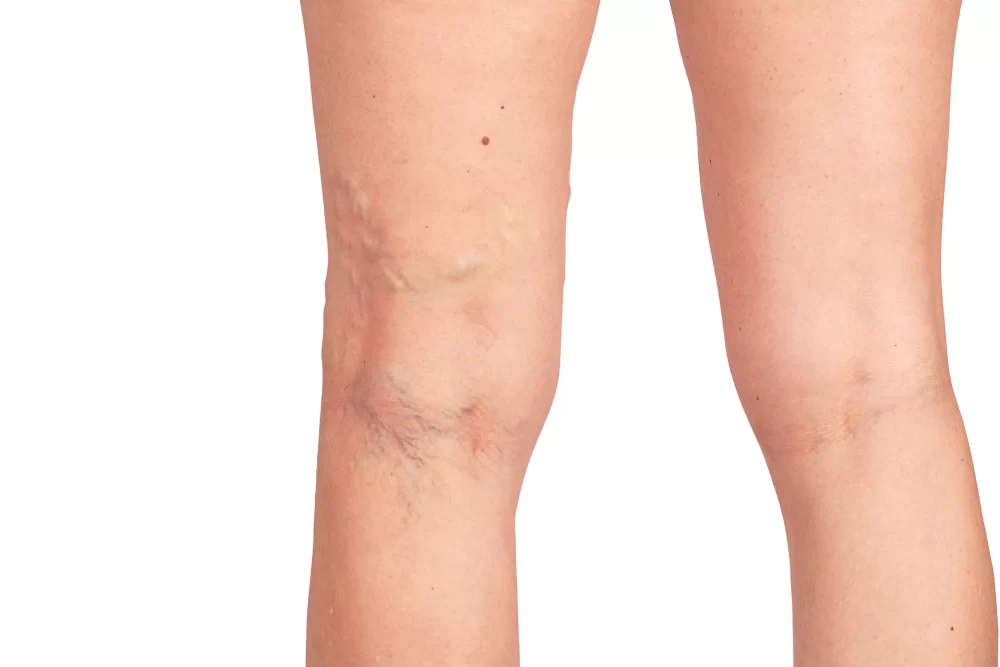
Venous Ulcers in Los Angeles & Walnut
Venous ulcers are open wounds that develop near the ankle as a result of long-standing, untreated venous insufficiency. They are the most severe manifestation of chronic venous disease and account for the majority of all leg ulcers. Without addressing the underlying vein disease, venous ulcers are extremely difficult to heal and highly prone to recurrence. At Vein Care Medical Center in Los Angeles & Walnut, Dr. Michael D. Landau provides comprehensive vascular evaluation and minimally invasive treatment to address the venous hypertension driving these wounds. Call (323) 934-9191 to schedule your evaluation.
Request an AppointmentWhat Causes Venous Ulcers?
Venous ulcers develop when long-standing elevated venous pressure — caused by venous insufficiency — leads to progressive changes in the skin and underlying tissue. As blood pools in the lower legs over months or years, the sustained pressure causes inflammation, skin thickening (lipodermatosclerosis), and eventually tissue breakdown. The result is a shallow, irregular wound typically located on the inner ankle or lower calf, with a characteristic appearance: a red or yellow wound bed, irregular edges, and surrounding skin that is discolored, hardened, or weeping.
Venous ulcers represent the C5–C6 stage of the CEAP classification system for chronic venous disease. They affect approximately 1% of the adult population at some point in their lives and are responsible for significant pain, disability, and healthcare costs.
How Venous Ulcers Differ from Other Leg Wounds
Not all leg ulcers are venous in origin. Arterial ulcers result from poor arterial circulation and typically appear on the toes, foot, or outer ankle — they are often very painful and punched-out in appearance. Diabetic ulcers typically occur on pressure points of the foot. Venous ulcers are distinguished by their location (inner ankle), painless-to-mildly-painful quality, and the surrounding signs of chronic venous disease such as ankle discoloration, leg swelling, and varicose veins. Accurate diagnosis is essential because treatment differs significantly between ulcer types.
Why Venous Ulcers Won’t Heal Without Vein Treatment
Wound care alone — dressings, compression, and topical agents — can support healing but cannot correct the root problem. As long as venous hypertension persists, the tissue environment remains hostile to healing: blood continues to pool, oxygen delivery to the wound bed remains impaired, and inflammatory mediators continue to accumulate. Studies consistently show that treating the underlying venous insufficiency with endovenous ablation dramatically accelerates ulcer healing and reduces recurrence rates compared to compression therapy alone.
Treatment at Vein Care Medical Center
Dr. Landau evaluates venous ulcer patients with duplex ultrasound to map the venous anatomy and identify the incompetent veins responsible for the sustained venous hypertension. Once identified, these veins are eliminated using minimally invasive procedures:
- Endovenous Laser Ablation (EVLA)
- Radiofrequency Ablation (RFA) / VenClose™
- VenaSeal™
- Varithena™
- Sclerotherapy
By eliminating venous hypertension at the source, these treatments create the circulatory conditions necessary for the ulcer to heal and dramatically reduce the risk of recurrence. Call (323) 934-9191 or request an appointment at our Los Angeles or Walnut office.
Venous Ulcers — Frequently Asked Questions
What does a venous ulcer look like?
Venous ulcers are shallow, irregular wounds typically located on the inner ankle or lower calf. The wound bed is often red or covered with yellow fibrous tissue, and the surrounding skin is frequently discolored (brown or reddish), thickened, or weeping. The ulcer edges are irregular rather than punched-out. The surrounding leg often shows other signs of chronic venous disease including swelling, varicose veins, and ankle discoloration.
Are venous ulcers painful?
Venous ulcers range from painless to mildly to moderately painful. Pain tends to be worse when the legs are dependent (hanging down) and improves with elevation. Significant pain may indicate infection or arterial involvement, both of which require prompt evaluation. Unlike arterial ulcers, which are typically very painful, venous ulcers are often described as aching or pressure-like rather than sharp.
How long does it take for a venous ulcer to heal?
Without treating the underlying venous insufficiency, many venous ulcers take months to years to heal and frequently recur. When the incompetent veins are treated with endovenous ablation, healing times improve dramatically — studies report median healing times of 12 weeks or less in patients who receive both wound care and endovenous treatment versus much longer healing times with wound care alone.
Can venous ulcers be prevented?
Yes. Venous ulcers develop as the end stage of untreated chronic venous disease. Treating venous insufficiency at an earlier stage — before skin changes and ulceration develop — prevents ulcers from forming. Patients with a history of venous ulcers can significantly reduce recurrence risk by maintaining their vein treatment and wearing compression stockings long-term.
Does insurance cover venous ulcer treatment?
Yes. Treatment of venous ulcers and the underlying venous insufficiency causing them is covered by insurance including Medicare when medically documented. Vein Care Medical Center participates in Medicare and will assist with insurance verification and prior authorization as needed.
Do I need to see a wound care specialist as well?
Active venous ulcers typically benefit from a coordinated approach involving wound care (dressings, compression bandaging) managed by a wound care specialist alongside endovenous treatment of the underlying venous disease managed by Dr. Landau. Both components are necessary for optimal outcomes. Dr. Landau can help coordinate your care and refer you to appropriate wound care resources when needed.
What happens if a venous ulcer becomes infected?
Signs of ulcer infection include increased pain, warmth, redness spreading around the wound, purulent discharge, and fever. Infected venous ulcers require prompt medical attention including wound cultures and antibiotic treatment. If you notice signs of infection in or around a venous ulcer, contact your wound care provider or seek evaluation immediately. Call (323) 934-9191 for guidance from Vein Care Medical Center.