
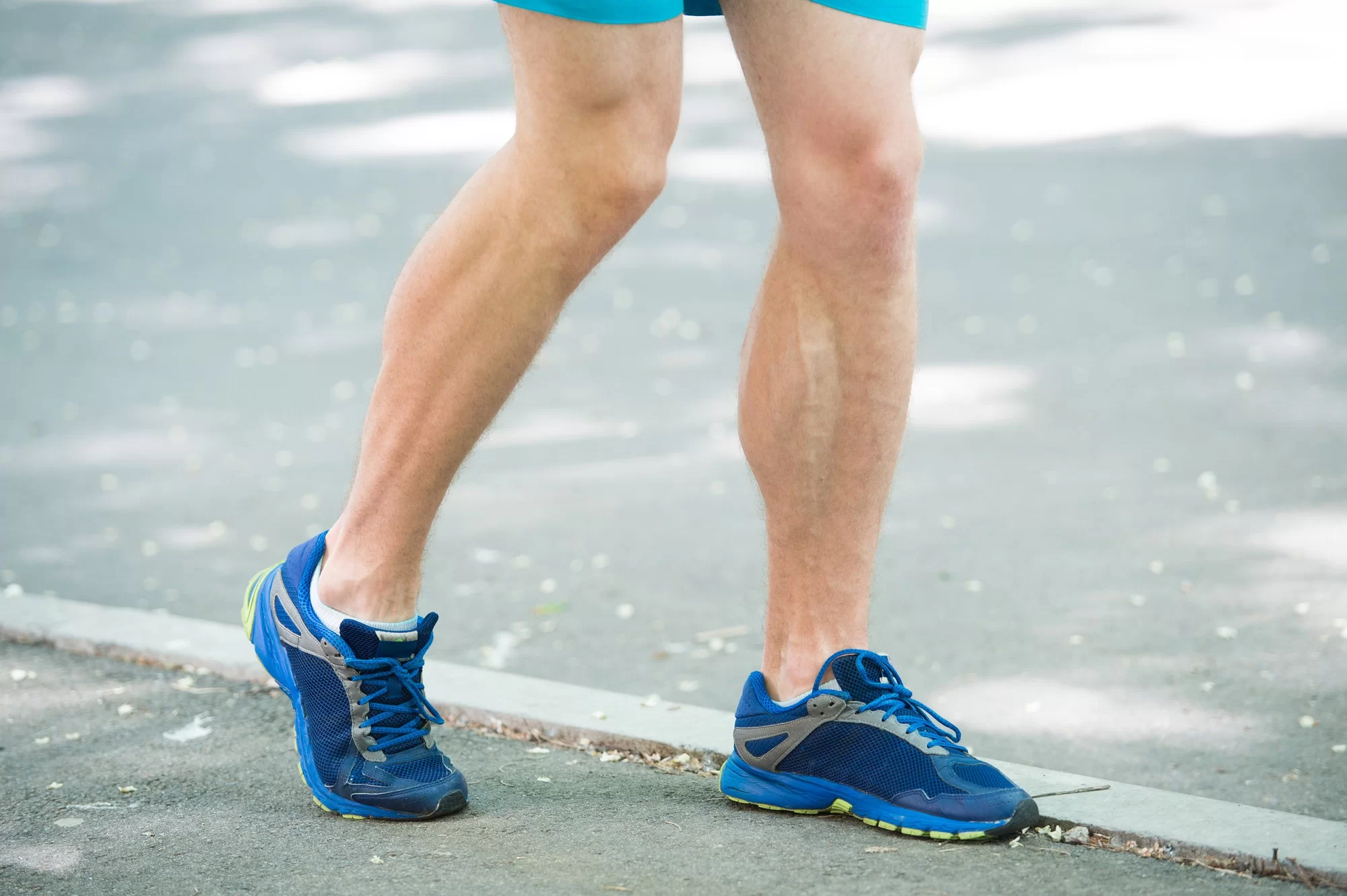
Leg Swelling (Edema) Treatment in Los Angeles & Walnut
Leg swelling — medically referred to as edema — is more than just an uncomfortable inconvenience. It can signal a serious underlying health condition that requires proper diagnosis and treatment. At Vein Care Medical Center in Los Angeles & Walnut, Dr. Michael D. Landau specializes in evaluating and treating leg swelling caused by vein disease, including venous insufficiency. He offers the full spectrum of minimally invasive treatments — including foam sclerotherapy and endovenous ablation — to address both the cause and the cosmetic effects of edema. When other underlying causes are suspected, Dr. Landau will engage in an open discussion and help coordinate appropriate care.
Request an AppointmentWhat Causes Leg Swelling?
Leg swelling occurs when excess fluid accumulates in the tissues of the leg, ankle, or foot. There are numerous potential causes, and identifying the correct one is essential to choosing the right treatment. Common causes include:
- Venous insufficiency — damaged or incompetent vein valves allow blood to pool in the lower legs, creating pressure that drives fluid into surrounding tissues
- Deep vein thrombosis (DVT) — blood clots in deep leg veins that obstruct normal flow
- Lymphedema — impaired lymphatic drainage causing fluid buildup
- Heart, kidney, or liver conditions — systemic diseases that affect fluid balance throughout the body
- Medications — certain drugs including calcium channel blockers, corticosteroids, and NSAIDs can cause fluid retention
- Prolonged sitting or standing — particularly common in individuals with occupations requiring extended periods in one position
Venous Insufficiency and Leg Swelling
One of the most common vascular causes of chronic leg swelling is venous insufficiency. When the valves inside your leg veins fail to function properly, blood pools in the lower extremities instead of circulating back to the heart. This sustained venous pressure causes fluid to leak into surrounding tissues, producing swelling that is often worst at the end of the day or after prolonged standing. Patients frequently also experience associated symptoms including leg heaviness, aching, varicose veins, or ankle discoloration.
Diagnosing Leg Swelling at Vein Care Medical Center
Dr. Landau’s evaluation of leg swelling includes a detailed medical history, physical examination, and where appropriate, duplex ultrasound imaging to assess venous function. Ultrasound allows Dr. Landau to visualize blood flow in real time, identify any reflux or obstruction, and rule out deep vein thrombosis. Based on the findings, he will explain the likely cause of your swelling and outline your treatment options clearly.
Treatment Options for Vein-Related Leg Swelling
When venous insufficiency is identified as the cause of leg swelling, Dr. Landau offers several proven, minimally invasive treatment approaches:
- Endovenous Laser Ablation (EVLA) — seals the incompetent saphenous vein responsible for the backflow driving edema
- Radiofrequency Ablation (RFA) / VenClose™ — uses radiofrequency energy to close diseased veins with precision
- Foam Sclerotherapy — injectable foam that closes varicose and reticular veins contributing to swelling
- Varithena® — FDA-approved foam for treatment of the great saphenous vein system
- VenaSeal™ — medical adhesive that permanently seals incompetent veins without heat or tumescent anesthesia
All treatments are performed in-office and allow patients to return to normal activity the same or following day. Dr. Landau will also advise on compression therapy, activity modifications, and other supportive measures to reduce swelling and prevent recurrence.
Get Relief from Leg Swelling in Los Angeles or Walnut
Do not ignore persistent leg swelling. Call (323) 934-9191 to schedule a consultation at Vein Care Medical Center. Dr. Landau is an experienced vein specialist serving patients throughout Los Angeles & Walnut and the surrounding communities. Early diagnosis and treatment are the most effective ways to prevent complications and restore comfort and circulation to your legs.
Leg Swelling — Frequently Asked Questions
When should I see a doctor for leg swelling?
You should seek medical evaluation if your leg swelling is persistent, occurs in only one leg, is associated with pain, warmth, or redness, or develops suddenly. These symptoms may indicate deep vein thrombosis (DVT) or another serious condition requiring prompt diagnosis. Even chronic, gradually worsening swelling should be evaluated, as it is often a sign of venous insufficiency that can be effectively treated.
Can venous insufficiency cause leg swelling?
Yes — venous insufficiency is one of the most common vascular causes of chronic leg swelling. When the valves in your leg veins are damaged or leaking, blood pools in the lower legs and creates elevated venous pressure. This pressure causes fluid to seep into the surrounding tissue, producing swelling that typically worsens throughout the day and improves after elevating the legs. Dr. Landau specializes in diagnosing and treating venous-related leg swelling.
How is the cause of leg swelling diagnosed?
At Vein Care Medical Center, Dr. Landau begins with a thorough medical history and physical examination. Duplex ultrasound imaging is frequently used to assess venous function, measure blood flow, and identify reflux or obstruction. This non-invasive imaging study provides real-time visualization of your venous anatomy and allows for an accurate, personalized diagnosis.
What treatments are available for vein-related leg swelling?
When venous insufficiency is the cause of leg swelling, minimally invasive treatments such as Endovenous Laser Ablation (EVLA), Radiofrequency Ablation, Sclerotherapy, Varithena®, and VenaSeal™ are highly effective. These in-office procedures close the diseased veins causing pressure buildup, allowing your circulation to normalize and swelling to resolve over time.
Will compression stockings help with leg swelling?
Compression stockings can help manage leg swelling by providing external support to the venous walls and reducing fluid accumulation in the tissues. They are particularly useful as a first-line conservative measure and as a post-treatment support tool after endovenous procedures. However, compression alone does not address the underlying venous insufficiency — Dr. Landau can help determine whether more definitive treatment is appropriate for your situation.
Can leg swelling be a sign of a blood clot?
Yes — sudden swelling in one leg, especially if accompanied by warmth, redness, or pain, can be a sign of deep vein thrombosis (DVT), which requires prompt medical attention. If you experience these symptoms, seek immediate evaluation. At Vein Care Medical Center, Dr. Landau uses duplex ultrasound to screen for DVT as part of the diagnostic workup for leg swelling.
How long does it take for leg swelling to improve after vein treatment?
Improvement timelines vary depending on the treatment used and the severity of the venous disease. Many patients notice a reduction in swelling within a few weeks of endovenous treatment as circulation normalizes. Continued improvement is expected over the following months. Dr. Landau monitors your progress with follow-up visits and adjusts treatment as needed to achieve the best results.