
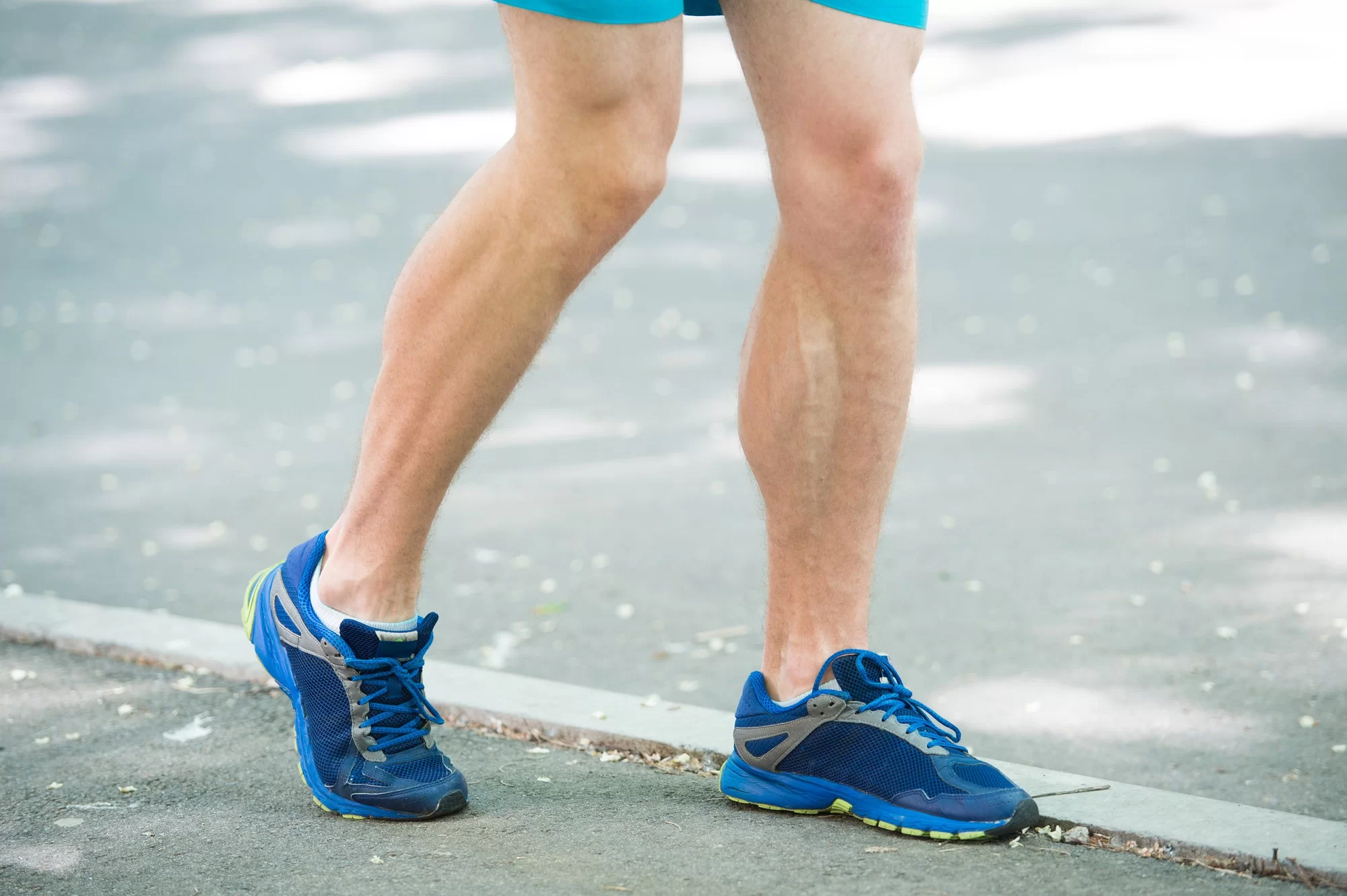
Leg Cramps & Restless Legs in Los Angeles & Walnut
Nighttime leg cramps and restless leg sensations are among the most disruptive and underappreciated symptoms of venous disease. Many patients are surprised to learn that these complaints — often attributed to dehydration, mineral deficiency, or a neurological condition — are frequently caused by underlying venous insufficiency. At Vein Care Medical Center in Los Angeles & Walnut, Dr. Michael D. Landau evaluates and treats venous-related leg cramps and restlessness, often providing lasting relief that patients never expected. Call (323) 934-9191 to schedule your evaluation.
Request an AppointmentThe Connection Between Vein Disease and Leg Cramps
When venous valves fail and blood pools in the lower legs, the resulting venous hypertension affects not just the skin and surface tissues — it also irritates the surrounding muscle tissue and peripheral nerves. This venous congestion creates an environment of local hypoxia (oxygen deprivation) and metabolic waste accumulation within the leg muscles, which triggers involuntary muscle contractions — what we experience as cramps.
Venous-related leg cramps typically follow a predictable pattern: they occur predominantly at night or after prolonged periods of inactivity, when the calf muscle pump is no longer actively pushing blood upward. They may be accompanied by other classic signs of venous disease such as leg heaviness, ankle swelling, aching, or visible varicose veins.
Venous Insufficiency and Restless Leg Syndrome
Research has established a meaningful association between venous insufficiency and restless leg syndrome (RLS) — a neurological condition characterized by an irresistible urge to move the legs, typically worse in the evening or at night. Multiple studies have found that treating underlying venous insufficiency with endovenous ablation significantly reduces or eliminates RLS symptoms in patients who have both conditions. While not all RLS is vein-related, the overlap is clinically significant and frequently overlooked.
If you have been diagnosed with restless leg syndrome and have not been evaluated for venous disease, Dr. Landau recommends a duplex ultrasound to assess whether venous insufficiency may be contributing to your symptoms.
Other Causes of Leg Cramps to Rule Out
Not all leg cramps are venous in origin. Other contributing factors include dehydration, electrolyte imbalances (magnesium, potassium, calcium), peripheral neuropathy, medication side effects, and musculoskeletal conditions. Dr. Landau’s evaluation takes a thorough approach to determine whether venous disease is a primary or contributing factor before recommending treatment.
How Vein Care Medical Center Evaluates and Treats Venous-Related Cramps
Evaluation begins with a detailed history and physical examination, followed by duplex ultrasound imaging to assess venous valve function and identify any reflux. When venous insufficiency is confirmed, Dr. Landau offers a full range of minimally invasive treatments:
- Endovenous Laser Ablation (EVLA)
- Radiofrequency Ablation (RFA) / VenClose™
- VenaSeal™
- Varithena™
- Sclerotherapy
Many patients report significant reduction in nighttime cramps and restless leg symptoms within weeks of treatment. Call (323) 934-9191 or request an appointment at our Los Angeles or Walnut office.
Leg Cramps & Restless Legs — Frequently Asked Questions
Can varicose veins cause nighttime leg cramps?
Yes. Venous insufficiency — the underlying condition driving varicose veins — causes blood to pool in the lower legs, creating venous congestion that deprives leg muscles of oxygen and leads to involuntary cramps. These cramps most commonly occur at night when the calf muscle pump is at rest. Treating the underlying venous insufficiency often provides meaningful and lasting relief from nighttime cramping.
Is there a connection between restless leg syndrome and vein disease?
Yes. Multiple studies have shown that a significant percentage of patients with restless leg syndrome also have underlying venous insufficiency. In these patients, endovenous treatment of the incompetent veins has been shown to substantially reduce or eliminate RLS symptoms. If you have RLS and have not been evaluated for venous disease, a duplex ultrasound is a logical first step.
How does Dr. Landau determine whether my cramps are vein-related?
Dr. Landau conducts a comprehensive evaluation including a detailed history of your symptoms, their timing and triggers, and a physical examination of your legs. Duplex ultrasound imaging is used to assess venous valve function and identify any venous reflux. If significant reflux is found and correlates with your symptoms, venous insufficiency is likely a contributing cause of your cramps.
How quickly will leg cramps improve after vein treatment?
Many patients report noticeable reduction in cramping frequency and intensity within a few weeks of endovenous treatment, as venous congestion in the legs begins to resolve. Results vary by patient and the severity of underlying disease. Dr. Landau monitors your progress with follow-up visits to ensure optimal outcomes.
What if my cramps are not vein-related?
If duplex ultrasound does not reveal significant venous insufficiency, Dr. Landau will discuss other possible contributing factors including electrolyte imbalances, medication side effects, and musculoskeletal or neurological causes, and help direct you to appropriate further evaluation if needed.
Are vein treatments covered by insurance for symptoms like leg cramps?
When venous insufficiency is documented as medically significant and is associated with symptoms including leg cramps, swelling, or skin changes, treatment is often covered by insurance including Medicare. Vein Care Medical Center participates in Medicare and will assist with insurance verification prior to your procedure.
Can compression stockings help with leg cramps from venous insufficiency?
Compression stockings can help reduce venous congestion and may decrease cramping frequency for some patients. However, they do not address the underlying valve dysfunction causing the problem. Dr. Landau typically recommends compression as a supportive measure while evaluating whether definitive endovenous treatment is appropriate for your specific situation.