
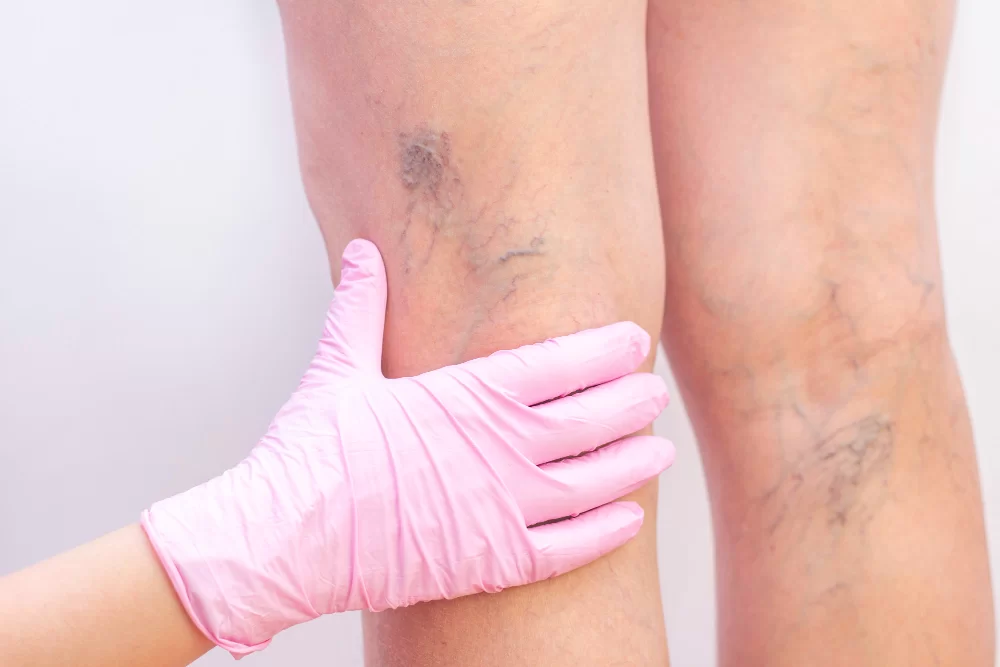
Deep Vein Thrombosis (DVT) in Los Angeles & Walnut
Deep Vein Thrombosis (DVT) is a serious vascular condition in which a blood clot forms in one of the deep veins of the body — most commonly in the leg. If left untreated or undiagnosed, DVT can be life-threatening. At Vein Care Medical Center in Los Angeles & Walnut, Dr. Michael D. Landau uses duplex ultrasound to evaluate patients for DVT and provides expert guidance on next steps when a clot is identified. Call (323) 934-9191 if you are experiencing sudden leg swelling, pain, or warmth.
Request an AppointmentWhat Is Deep Vein Thrombosis?
DVT occurs when a blood clot (thrombus) forms inside a deep vein, most often in the calf, thigh, or pelvis. Unlike surface veins, deep veins carry the majority of blood returning to the heart. When a clot obstructs this flow, it creates pressure buildup that causes swelling, pain, and warmth in the affected limb. The most dangerous risk of DVT is pulmonary embolism — when a portion of the clot breaks free and travels to the lungs, blocking blood flow and potentially causing death.
According to the Centers for Disease Control and Prevention, DVT affects an estimated 900,000 Americans each year. Prompt recognition and treatment are critical.
Risk Factors for DVT
Several factors increase the risk of developing a deep vein clot:
- Prolonged immobility — long flights, bed rest, or hospitalization
- Recent surgery, particularly orthopedic procedures involving the hip or knee
- Cancer and certain cancer treatments
- Pregnancy and the postpartum period
- Oral contraceptives or hormone replacement therapy
- Prior history of DVT or pulmonary embolism
- Inherited clotting disorders (thrombophilia)
- Obesity
- Age over 60
- Chronic venous insufficiency — damaged vein valves can contribute to sluggish blood flow
Signs and Symptoms of DVT
DVT does not always cause obvious symptoms, but when it does, the most common warning signs include:
- Sudden swelling in one leg, ankle, or foot
- Pain or tenderness in the leg — often described as cramping or soreness
- Warmth and redness over the affected area
- Skin discoloration — the leg may appear pale, red, or bluish
If you also experience chest pain, shortness of breath, rapid heartbeat, or coughing up blood, seek emergency care immediately — these are signs of pulmonary embolism.
How DVT Is Diagnosed
At Vein Care Medical Center, Dr. Landau uses duplex ultrasound to evaluate suspected DVT. This non-invasive imaging study visualizes blood flow in real time, allowing identification of clots within the deep venous system. It is the same technology used to assess venous insufficiency — and in many cases, both conditions are evaluated in a single session.
DVT, Venous Insufficiency, and Long-Term Vein Health
A prior DVT episode is one of the most significant risk factors for developing chronic venous insufficiency later in life. The clot damages the valves inside the vein, leading to persistent venous reflux, leg swelling, ankle discoloration, and in severe cases, venous ulcers. This progression is known as post-thrombotic syndrome. Dr. Landau monitors patients with a history of DVT and can treat the resulting venous insufficiency with minimally invasive procedures including EVLA, RFA, and sclerotherapy.
Schedule a Vein Evaluation in Los Angeles or Walnut
If you have a history of DVT, are experiencing leg symptoms that concern you, or want to understand your venous health, call (323) 934-9191 to schedule an evaluation with Dr. Landau at Vein Care Medical Center. Early assessment can prevent serious long-term complications.
Deep Vein Thrombosis — Frequently Asked Questions
What is the difference between DVT and a varicose vein?
Varicose veins are dilated surface veins caused by faulty valves and venous reflux — they are visible beneath the skin and rarely life-threatening on their own. DVT is a blood clot inside a deep vein that can obstruct blood flow and cause pulmonary embolism if the clot travels to the lungs. The two conditions can coexist, and prior DVT is a significant risk factor for developing varicose veins and venous insufficiency later in life.
How is DVT treated?
DVT is typically treated with anticoagulant medications (blood thinners) prescribed by your primary care physician or a hematologist. The goal is to prevent the clot from growing, reduce the risk of pulmonary embolism, and allow the body to gradually dissolve the clot. Dr. Landau’s role is in the evaluation and long-term management of any resulting venous insufficiency after the acute DVT has been treated.
Can DVT cause long-term vein problems?
Yes. Post-thrombotic syndrome develops in a significant percentage of DVT patients and causes chronic leg swelling, pain, skin discoloration, and in severe cases, venous ulcers. This occurs because the clot damages the vein valves, leaving them unable to properly direct blood flow. Dr. Landau evaluates and treats post-DVT venous insufficiency using the same minimally invasive endovenous techniques used for primary venous disease.
Is duplex ultrasound painful?
No. Duplex ultrasound is completely non-invasive and painless. A handheld probe is moved over the skin with ultrasound gel, providing real-time images of blood flow inside the veins. There is no radiation involved and no preparation required before the exam.
When should I go to the emergency room for leg symptoms?
You should seek emergency care immediately if you experience sudden severe leg swelling accompanied by chest pain, shortness of breath, rapid heartbeat, dizziness, or coughing up blood. These are signs that a clot may have traveled to the lungs (pulmonary embolism), which is a medical emergency. For isolated leg symptoms without respiratory involvement, contact Vein Care Medical Center at (323) 934-9191 for prompt evaluation.
Can venous insufficiency after DVT be treated?
Yes. Once the acute DVT has resolved and your physician confirms it is safe to proceed, venous insufficiency caused by post-thrombotic valve damage can often be treated with the same minimally invasive endovenous procedures used for primary venous disease. Dr. Landau evaluates each patient individually and determines the most appropriate treatment approach based on the pattern and severity of residual venous reflux.
Does Vein Care Medical Center treat active DVT?
Active DVT management — including anticoagulation therapy — is handled by your primary care physician, hematologist, or emergency medicine team. Vein Care Medical Center evaluates patients for suspected DVT using duplex ultrasound, provides referral guidance when a clot is identified, and manages the long-term venous insufficiency that can result from a prior DVT episode.